
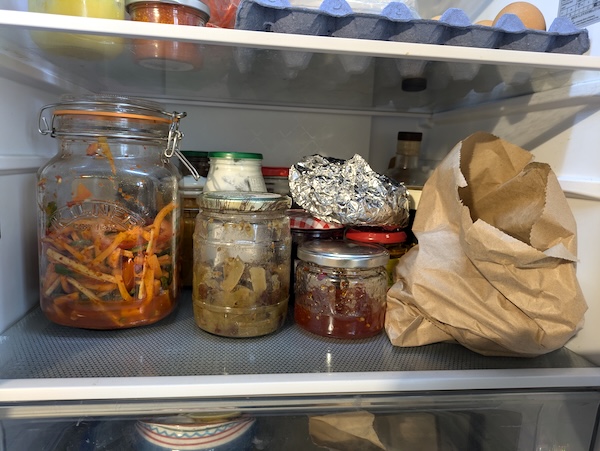
How I saved money staying out of supermarkets
Why don’t I shop in supermarkets?
After reading about how the big supermarkets and food companies use unfair business practices against farmers and growers, I decided in 2023 to try a whole year of supermarket-free shopping.
And I haven’t gone back.
This poor treatment of smaller businesses hasn’t changed and there are plenty of other reasons I’m not likely to return to supermarket shopping:
- Supermarkets use unhealthy ultra processed food to increase profit
- They use aggressive marketing, and product placement of high-profit, low nutrition items
- As a result the poorest people in our communities are suffering dire consequences
- Greenwashing, especially fake farms and not-so local food, is rife in supermarkets
- Food should be about community not shareholder dividends
I’ve saved money by avoiding supermarkets
I didn’t expect this to happen but during our first supermarket-free year, we actually spent less on food than we did the year before. I know because I kept a spreadsheet of our food spend.
I had been worried about affording food outside the supermarket system.
In truth I thought my supermarket-free experiment wouldn’t be a way of living we could afford to maintain. But I was happy to prove myself wrong, and saving money in this way has meant my household could continue our new way of eating. In general, we associate supermarkets with cheap food, high street shops with more expensive food, and organic/local food with prices that are only really affordable for those with comfortable incomes.
This is because supermarkets exist in a near monopoly environment.
They control food production and supply in the UK. And they don’t do a very fair job.
So how did I manage to save money on food at the same time as turning my back on supermarkets and their unreasonably low food prices?
Feeding my family on a supermarket-free budget
I realised pretty early on in my supermarket-free shopping experiment that I needed to make changes in the way we looked at food if we were going to be able to afford to continue. Some food items are always going to be more expensive from local and online shops than they are at the supermarket (that’s one way monopolies work). Here are some examples of basics I found were much more expensive:
It’s worth remembering that the items listed below can’t be produced cheaply and perhaps shouldn’t be priced as loss leaders.
- Dairy produce. We switched to a milk delivery service that offered local and small business produce. This meant that our milk, cheese, butter and yoghurt cost more.
- Meat. Even when we swapped to cheaper cuts, the meat we bought from our local butcher was more expensive than meat from the supermarket.
- Olive oil. A luxury yes but important for Mr D’s bread making and much better for our health than other oils.
- Tea and coffee. The price of these outside the supermarkets was a real shock.
If food was more expensive, how did we save money?
It doesn’t sound possible does it? But we really did spend less on food during our year of saying, ‘No!’ to the big supermarkets. And the reduced food costs weren’t the only benefit to our new way of buying and eating. We also:
- Reduced our food waste to almost zero
- Switched to a much healthier diet
- Reduced the environmental impact of our food
- Saved on packaging and plastic
- Learned fabulous and fun new skills
- Increased our food resilience
Instead of supermarket shopping we developed a system that included some high street shops but also online food businesses (some local) and our own foraged and home grown foods. We bought (and still buy) fruit and vegetables from Devon Fresh a local wholesale business, nuts, beans, seeds, spices and grains from an online wholefood company, meat from a local butcher, dairy products from a milk delivery service, flour (Mr D bakes our bread) from Shipton Mill in Gloucestershire and sundries from our local wholefood shop. We also bought at-risk-of-waste fruit and vegetables via an app called Too Good to Go.
Some of these worked out cheaper than supermarkets, others didn’t.
Four steps I took to make our food affordable
If the changes below seem enormous to you, that’s because they are. And we all know that big changes are the hardest to stick to. I’m not here to tell anyone how to live, we all have different pressures and needs, but my absolute best suggestion if you’re thinking about giving up supermarket shopping yourself is to start gradually. Perhaps start baking your own bread or ordering a food waste box or even switching to less meat. Little steps often lead to bigger things but they can also make a difference on their own.
I just about eliminated food waste
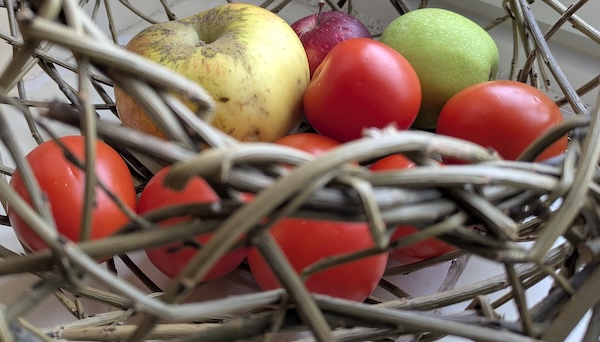
I now get two or three meals out of a chicken and use the bones to make stock. Surplus vegetables, herbs and fruit get preserved as pickles or jams, frozen or dehydrated. I cut stale bread into cubes and keep it in the freezer to make croutons. I’m more cautious about portion control, and if we do have dinner leftovers, I usually eat them for breakfast. Hardly any of our food goes off but if it does, almost all of it can go on the compost heap because we eat so much more fruit and veg than we used to.
I learned how to cook with what we had
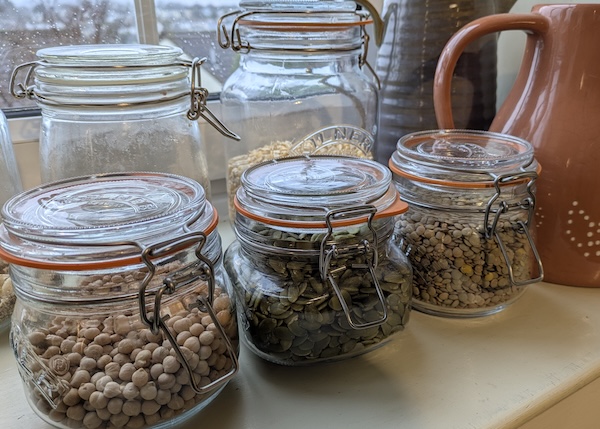
Online recipes are a mixed blessing. Sometimes they make us feel we need to ‘pop out’ to buy exactly the listed ingredients (not great for food waste). But they can also be really handy when we have limited ingredients available. I quickly learned that if I Googled the two or three items I had in my fridge, I would find something tasty to make with them. I also learned to make ingredients substitutes. This doesn’t work for everything but you’d be surprised how many root vegetables look and taste like carrots. Some things didn’t work very well, for example olive oil isn’t great for making mayonnaise, but for me the ‘mistakes’ have all been part of the learning process.
We started eating less of the expensive things
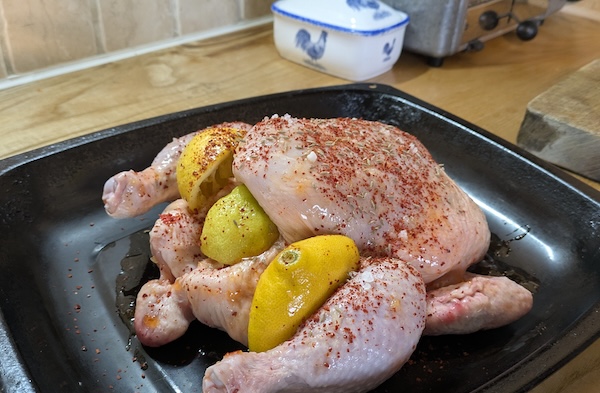
When food costs more, you allocate it higher value. Food items we had taken for granted before took on the ‘luxury’ status they perhaps deserved all along. Oranges are a good example; because we don’t have them very often, I get so much more pleasure out of eating one now than I used too. We also eat a lot less meat now and hardly any red meat at all. I probably buy one chicken a month, and because of that, I’ve learned to make chickens go a long way. Cheese is much more expensive now we don’t buy it in supermarkets, so I’ve learned to replace it with dips like homemade hummus and tzatziki or use less of it in recipes, adding umami flavour via marmite, mustard or nutritional yeast in things like cheese sauce.
We both learned lots of new skills
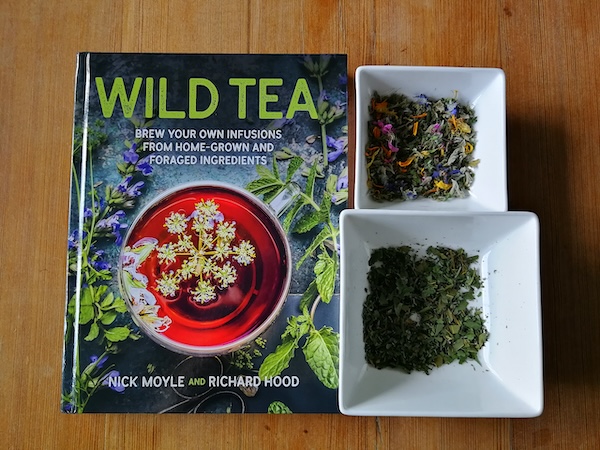
Many of the new skills I’ve learned are in fact old, traditional ones that skilled home practitioners (often women) used to use to keep us all fed before big business took over. I’ve been on a fermentation course and ferment my own kimchi and sauerkraut, I’ve learned about permaculture and food forest growing and started using those skills on my new allotment, and I’ve found out how convenient jars of home-dehydrated food can be. My list of new/old skills is growing all the time and I’m loving the learning. These days if I fancy something to eat, I work out how to make it. This extends to homemade dehydrated cup soups for busy days, ketchups and sauces, and even my own cheese (occasionally because it uses so much milk). And the skill set doesn’t seem to be stopping at food. Knock on effects of this new way of eating include basket weaving, spoon carving and general axe wielding. All great fun and enormously satisifying.
Related News

Find out how to enjoy a healthy life without supermarkets Big supermarkets ensure big profits at the cost …

Once-a-day walking Another day in paradise (thanks Phil). Before I start, please can I check; it is Wednesday …
Small van – so many shoes to pack We were taking a late October campervan trip …
